The name
The sardal and his crew
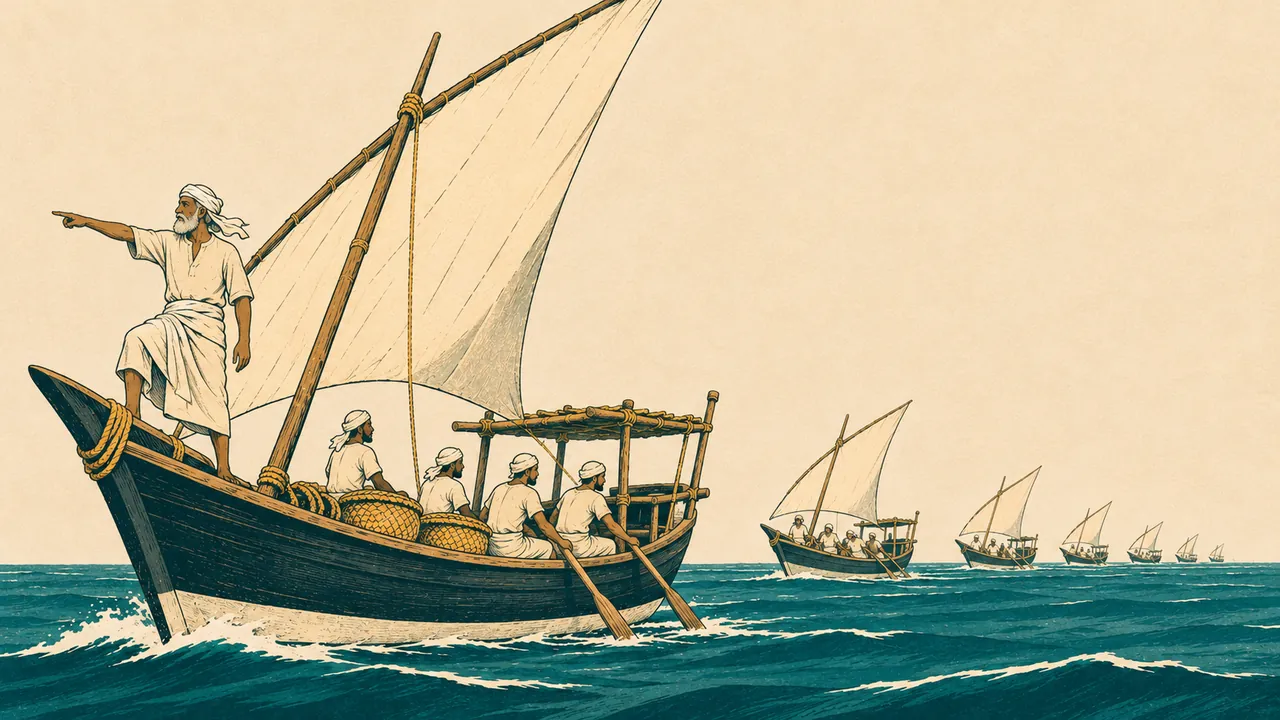
Sardal is named after the leader of the pearling fleet, the head of the nukhadhas, whose ship went first so the others could follow. This page tells who sailed with him and what each one did.
The word
Sardal comes from the Persian sardār: sar, the head, and dār, the one who holds. It means the leader, the head of the fleet. Words close to it: the amir of the dive, the head of the nukhadhas, the leader of the fleet. The name of the app was chosen for what the sardal knew about the sea and the way across it, and because his ship went first to guide the others.
Reading the sky
The sardal had to be expert in the sea. He read the stars, the winds and the seasons. The people of the sea in the Emirates still keep the reckoning called al-durur: the year is cut into 36 parts of ten days each, counted from the rising of the star Suhail in the middle of August.

The season
The main pearling season in the United Arab Emirates was called Ghous Al-Kabir, “the big dive”. The weather was hot, but mostly clear and calm.
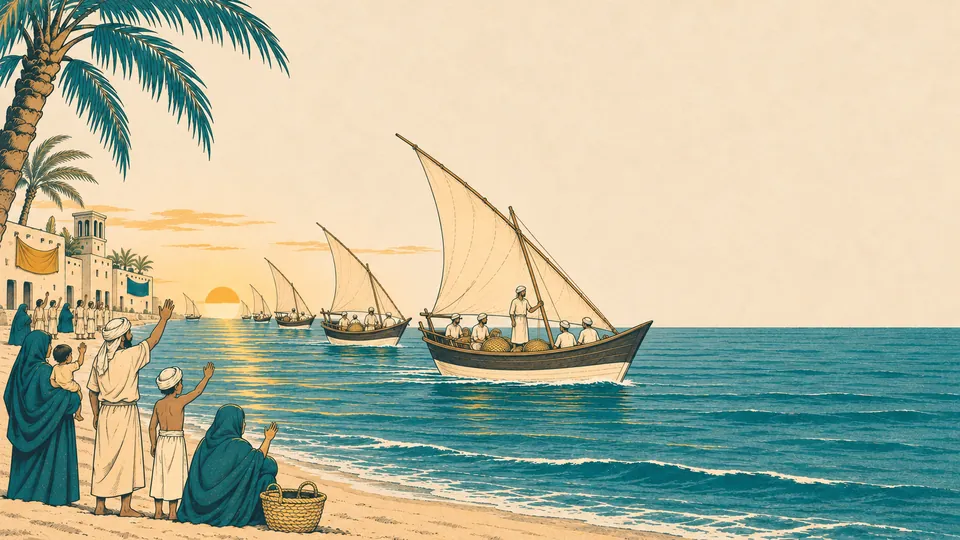
On the first day the crews were seen off from the beach by their families, at a ceremony called hiraat, “oyster beds”, and the most senior sardal, the captain of the fleet, announced the start of the season.
The crew
Depending on its size, a boat carried up to thirty people, most of them men, sometimes with boys among them.
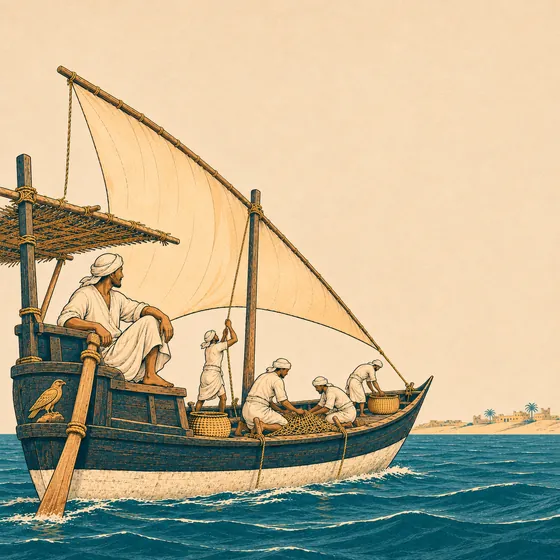
Nukhadh النوخذة
The owner of the boat, or the man who ran it for the owner. He ran the whole pearling operation and shared out each season's profits among the crew.
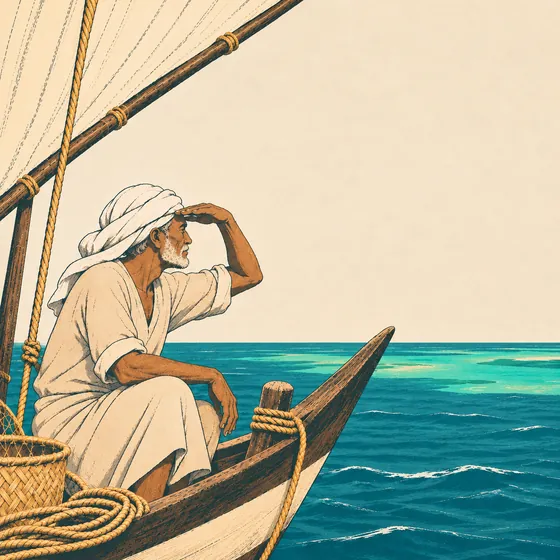
Sardal السردال
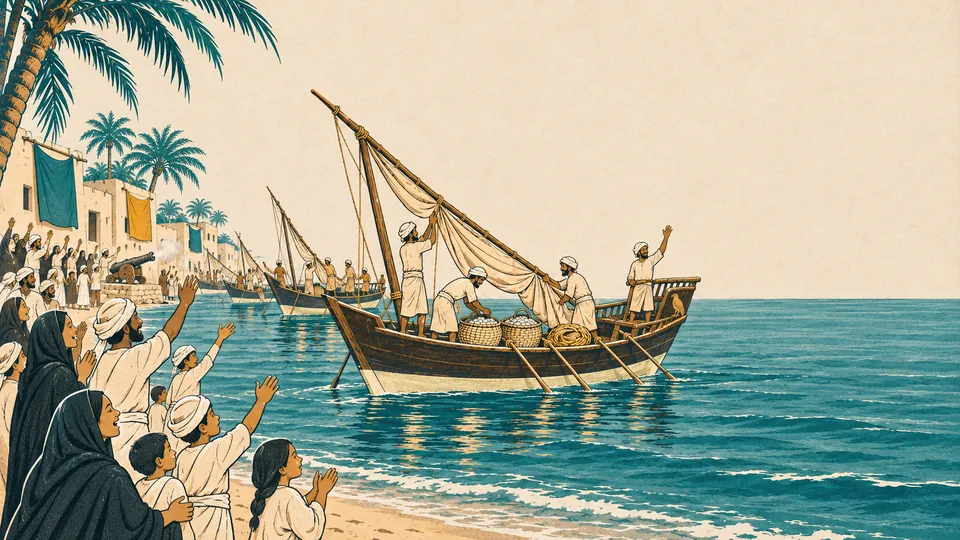
The leader of the pearling fleet and the most senior of the nukhadhas. His ship went ahead of the others on the way to the beds and back. He knew the dive sites and their depths, and found the way by the stars and by the natural marks on the islands and coasts, so that no ship lost its way; he settled disputes between crews. From his long knowledge of the sea, the winds and the seasons he announced the start of the season and gave the order for the return, al-qufal. The register calls him the captain of the fleet, who knew the best oyster beds, the hiraat.
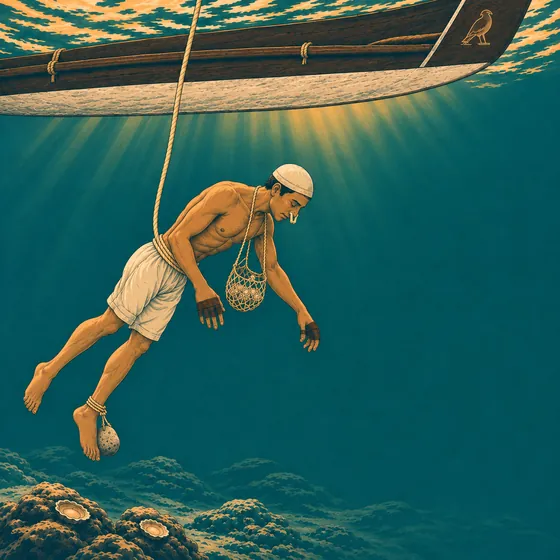
Divers الغوّاصون
The men who did the hardest work, diving all day for oysters in dangerous conditions.
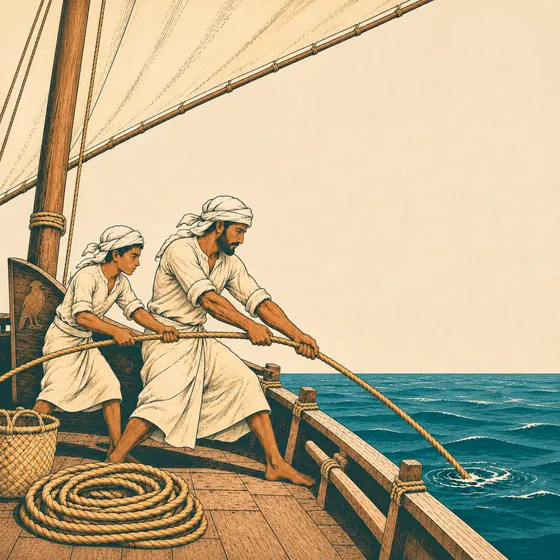
Seib السّيْب
The man in charge of the ropes that lowered the divers to the beds and pulled them up when they were ready.
Tabbab التبّاب
Boys of about ten to fourteen, often sons of the crew, who helped the seib pull the divers up.
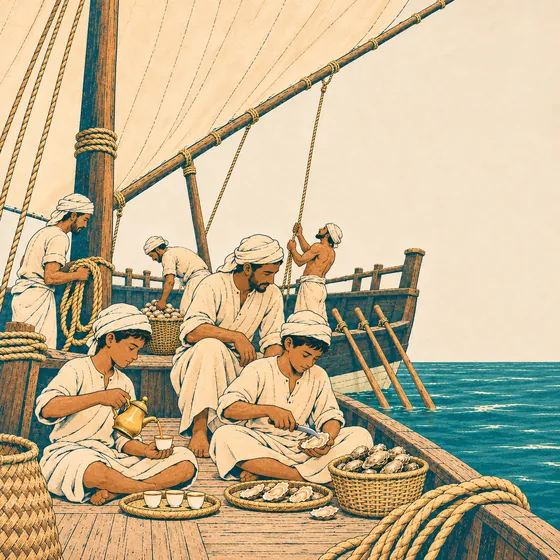
Ridha الرضيف
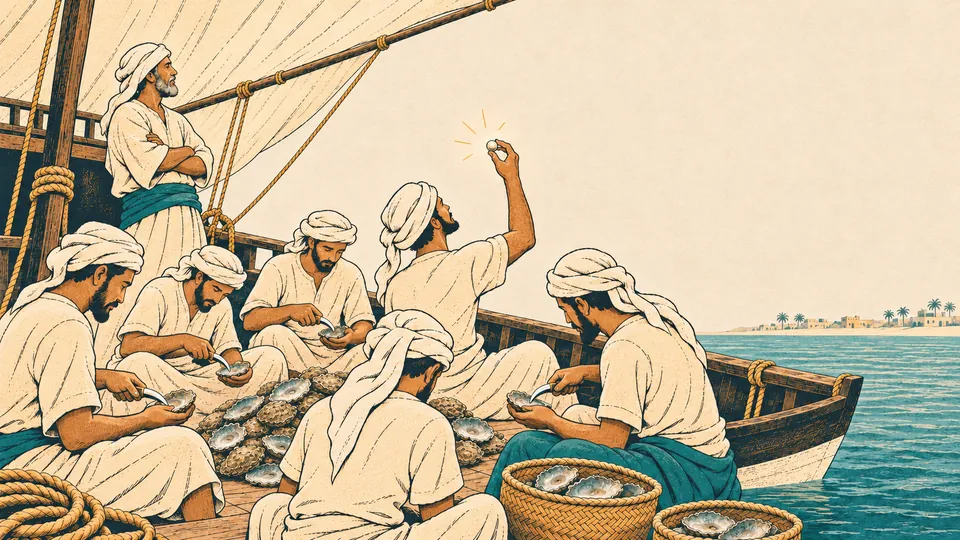
Young boys who served the divers food and tea and helped to open the oyster shells.
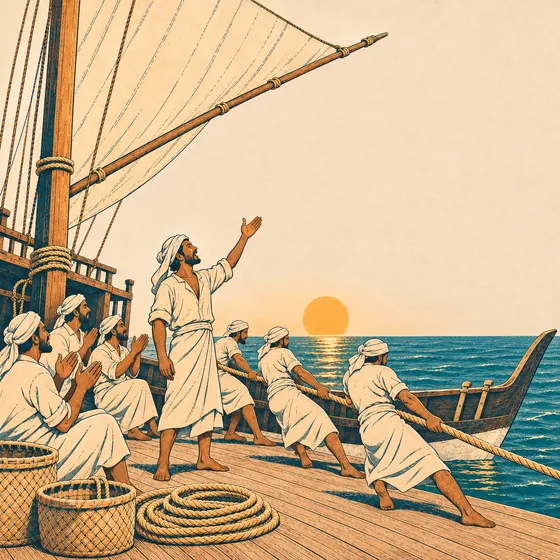
Naham النهام
A man with a fine voice who kept the crew going through the long months at sea, with songs and poetry.
And today
Sardal carries the sardal's part into a phone: where the fish may be, the way there and back, and the watch over the boat. The knowledge comes from people who know the sea, and everyone can add to it.
You stay the nukhadha: the boat and the decisions are yours.
The crew, the season and the send-off come from the Department of Culture and Tourism – Abu Dhabi, heritage register, “Pearl diving” («الغوص لصيد اللؤلؤ»), read on 21 November 2026, in our own words. The sardal as head of the nukhadhas, his leading ship, the call home (al-qufal) and the origin of the word are as the project's founder gives them, from Gulf heritage sources (al-Mawrooth, Sharjah TV, Saeed Harib). His way-finding by the stars and the coasts, his knowledge of the dive sites and their depths, and his part as judge come from Al Etihad, «السردال.. بطولات أسطورية تجذب زوار قصر الحصن» (2013). That he had to be expert in the sea: Al Bayan (2014). Al-durur: Emarat Al Youm, «الفجيرة تصدر تقويم الدرور» (2021); that the sardal reckoned by it is the founder's account. The drawings are illustrations, not historical pictures.